 By Alex Joy
In the world of commercial spaces, the essence of design goes far beyond aesthetics. It’s about curating an environment that speaks to the identity of a brand, tells a story, and ultimately enhances the experience of those who step inside. Nowhere is this more evident than in the nuanced realms of hostel and luxury shop design. While these spaces serve vastly different clientele and purposes, the design philosophies behind them share one critical point: they must evoke emotion while solving practical problems. One of the leaders in crafting such transformative environments is Les Ateliers Berger, a name synonymous with precision, innovation, and artistic intuition in interior design.
Understanding the Psychology Behind Hostel Design
Hostels have evolved from basic, budget-friendly lodgings into chic, social, and often Instagram-worthy environments. Today’s traveler, especially from younger generations, seeks far more than just a bed for the night—they crave connection, comfort, and atmosphere.
Designing for Community and Privacy
A successful hostel interior is one that strikes a careful balance between communal interaction and personal space. This begins with spatial zoning—dedicated lounges, open-plan kitchens, and co-working areas contrast with quiet sleeping quarters. Architects and designers must carefully plan layouts to cater to a wide range of traveler expectations.
Elements that are critical in hostel interiors include:
- Bespoke bunk designs with privacy screens, lighting, and USB ports
- Multipurpose common areas adaptable for dining, gaming, working, or lounging
- Durable, easy-to-clean materials that withstand high turnover without compromising aesthetics
- Neutral yet inviting palettes to create a sense of calm and modernity
Les Ateliers Berger has become a preferred collaborator for modern hostels across Europe, bringing a refined yet youthful aesthetic that reflects the spirit of travel and discovery.
The Role of Narrative and Local Influence
Incorporating local culture is a trend that has firmly taken root in hostel design. Guests increasingly seek experiences that feel authentic and rooted in the place they’re visiting. Designers are responding with interiors that incorporate local art, recycled or reclaimed materials, and motifs that reflect the community’s heritage.
A hostel in Lisbon might incorporate azulejo tiles, while one in Tokyo could integrate minimalist wooden screens. These aren’t just decorative choices—they establish an emotional connection between guest and place.
Creating Emotional Luxury in Retail Environments
On the other end of the spectrum lies the highly curated world of luxury retail. Here, every detail, down to the curve of a doorknob or the scent in the air, must align with the brand’s identity. High-end boutiques aren’t merely venues to shop—they’re destinations of aspiration and desire.
Spatial Storytelling: A Sensory Journey
Designing a luxury boutique demands a deep understanding of storytelling. Each zone within the shop must serve a purpose and guide the customer through a narrative arc—from discovery to temptation to decision. This is where Les Ateliers Berger excels, bringing together spatial choreography, lighting, and materiality to create immersive experiences.
In designing luxury spaces, some essential considerations include:
- Entrance impact: The moment of arrival should exude brand values immediately
- Material layering: Velvet, glass, brass, and wood can all work together to evoke richness
- Lighting control: Dynamic lighting that adapts to natural cycles enhances the tactile feel of products
- Modular display systems: Items must appear curated, not cluttered—each piece treated like a work of art
The goal is not merely to display products but to elevate them, making the shopping experience feel ceremonial and sensorial.
Emotional Intelligence in Design
Luxury isn’t only about price—it’s about how something makes you feel. Great design in retail environments taps into the subtleties of human emotion: anticipation, exclusivity, intimacy. Thoughtful layout decisions—such as secluded try-on areas or personal consultation zones—encourage trust and comfort.
Color psychology plays a major role here. Deep hues like navy or burgundy suggest opulence, while pale tones evoke purity and minimalism. The scent, the acoustics, and even the door handle’s texture play roles in subconsciously reinforcing brand identity.
The Atelier Approach: Design as a Collaborative Art
What sets Les Ateliers Berger apart is their approach to design as a collaborative, artisanal craft. They operate at the intersection of architecture, storytelling, and user psychology, ensuring that every project—whether a hip urban hostel or a flagship luxury boutique—carries a unique signature.
Their team doesn’t simply “decorate” a space. They shape experience. They craft volumes, play with light, and guide circulation. Every element, from the positioning of mirrors to the texture of the floor, is a deliberate decision rooted in both function and feeling.
Custom Craftsmanship and Bespoke Detailing
In both hostels and high-end shops, details make the difference. Bespoke joinery, tailored lighting solutions, and artisan-finished surfaces elevate a project from functional to iconic. Les Ateliers Berger prides itself on developing custom solutions that reflect the DNA of the space, be it modular bunk systems or velvet-lined jewelry vitrines.
Such detailing doesn’t just improve form—it enhances function. A hand-built reception desk in a hostel, for instance, might double as a bar during evening hours. A rotating central display in a luxury shop may spotlight different designers each week. These elements are not only creative but commercially savvy.
Sustainability and Innovation in Materials
Another hallmark of modern design, and one that Les Ateliers Berger integrates into each project, is sustainability. Clients are increasingly aware of environmental impact, and interior design firms must respond with both substance and strategy.
Eco-conscious practices include:
- Low-VOC paints and adhesives for better air quality
- Locally sourced materials to reduce transport emissions
- LED lighting systems for energy efficiency
- Smart HVAC and lighting control to reduce consumption
Hostels, often catering to eco-conscious travelers, particularly benefit from these choices. Meanwhile, luxury retailers use sustainability as part of their brand ethos, showing responsibility without compromising luxury.
Case Studies: Excellence in Execution
Urban Hostel in Berlin
In a central Berlin hostel project, Les Ateliers Berger turned a dated 1970s building into a vibrant, modern traveler’s hub. They used recycled steel piping for bunk ladders, upcycled wood for common area tables, and accented walls with custom murals by local artists. Zones were created for different travel moods: social mingling, quiet retreat, and digital co-working.
The result? A 40% increase in positive reviews mentioning “design” and “comfort” within the first six months post-renovation.
Flagship Boutique in Paris
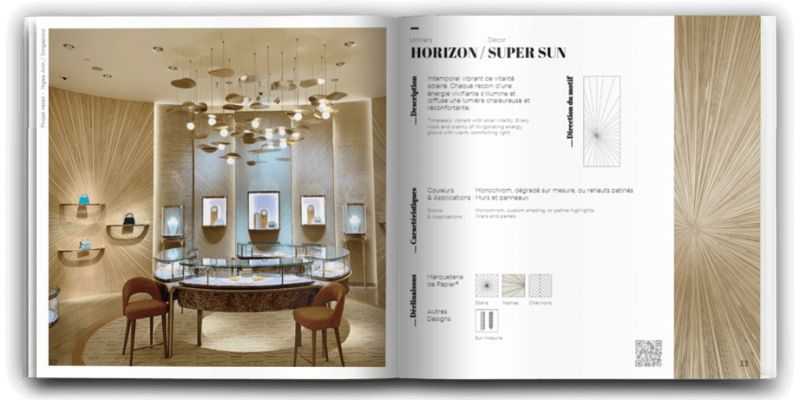
For a Parisian haute couture brand, Les Ateliers Berger transformed a Haussmannian storefront into a gallery of elegance. Walls were clad in suede, the ceiling was adorned with floating brass rings, and scent diffusers released a custom fragrance blend. The fitting rooms featured floor-to-ceiling velvet curtains and bespoke lighting that mimicked natural daylight.
Sales rose by 27% in the following quarter, with many customers citing the “experience” as the highlight.
Designing for Experience: A Holistic Approach
What truly connects hostel and luxury shop design is the focus on experience. These spaces are not just functional—they are emotional ecosystems. Designers must understand not just layout and material but the psychological rhythm of those who pass through.
-
In hostels: It’s about comfort, connection, and local identity.
-
In luxury shops: It’s about aspiration, immersion, and exclusivity.
Les Ateliers Berger achieves this balance by approaching every project with curiosity and care, blending technical excellence with poetic storytelling.
Technology and the Future of Interior Design
Modern commercial interiors are increasingly integrating technology not as an afterthought but as a design layer. From RFID-embedded shelves to smart lighting that adapts to circadian rhythms, innovation is redefining user engagement.
Hostels benefit from keyless entry systems, app-based room controls, and automated check-ins, while luxury stores explore AR mirrors, interactive walls, and real-time inventory systems connected to the cloud.
Les Ateliers Berger continues to stay ahead by collaborating with tech partners and investing in design R&D—ensuring each space is future-ready while remaining human-centric.
Final Thoughts: Designing with Meaning
Interior design today is not just about what looks good—it’s about what works, what moves people, and what makes them remember. Whether you’re building a hostel that speaks to young global nomads or a luxury boutique that mesmerises elite clientele, your choice of design partner is pivotal.
With an unmatched portfolio and a profound respect for both space and story, Les Ateliers Berger has proven that great design can resonate with anyone—from the barefoot backpacker to the couture connoisseur.
If you’re envisioning a space that leaves a lasting impression, whether humble or haute, it may be time to explore the creative genius of Les Ateliers Berger.