 By Alex Joy
Indoor air quality plays a critical role in maintaining comfort, health, and productivity at home and in workplaces. While many people focus on visible cleanliness, invisible pollutants such as dust mites, allergens, bacteria, and chemical residues often remain suspended in the air. Professional cleaning services help address these hidden contaminants using specialized tools and systematic methods that go beyond routine household cleaning.
This article explores how professional cleaning contributes to healthier indoor environments and why it is a practical investment for long-term well-being.
Understanding Indoor Air Quality and Why It Matters
Indoor air quality refers to the condition of air within enclosed spaces and its impact on occupants’ health. Poor air quality can result from accumulated dust, mold spores, pet dander, volatile organic compounds (VOCs), and insufficient ventilation.
Common signs of poor indoor air quality include:
- Frequent sneezing or coughing indoors
- Persistent musty odors
- Headaches or fatigue without a clear cause
- Increased allergy symptoms
- Visible dust buildup on surfaces
Professional cleaning reduces these triggers by targeting both visible debris and microscopic pollutants that ordinary cleaning often misses.
Removal of Deep-Seated Dust and Allergens
Household dust settles in areas that are difficult to reach using standard tools. Over time, it becomes embedded in carpets, upholstery, curtains, and mattresses.
Professional cleaners use high-efficiency filtration equipment to extract contaminants such as:
- Dust mites
- Pet hair and dander
- Pollen particles
- Skin flakes
- Fabric fibers
By removing these pollutants at their source, indoor air becomes noticeably fresher and easier to breathe.
Use of Advanced Cleaning Equipment
One of the most important advantages of professional cleaning is access to industrial-grade equipment designed for deeper sanitation.
Examples include:
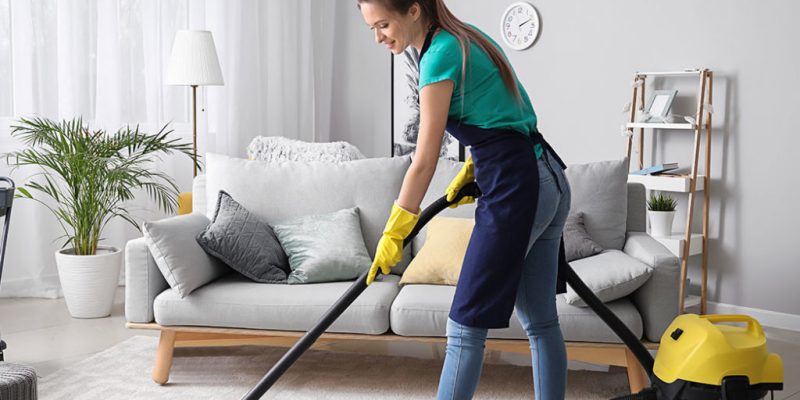
- HEPA filter vacuum systems that trap microscopic particles
- Steam cleaning machines that neutralize bacteria without harsh chemicals
- Air purification tools used during specialized cleaning sessions
- High-pressure extraction systems for carpets and upholstery
These technologies help prevent pollutants from circulating back into the air during the cleaning process.
Reduction of Mold Growth and Moisture Risks
Mold thrives in humid environments such as bathrooms, kitchens, basements, and poorly ventilated storage spaces. Even small patches can release spores that spread through indoor air quickly.
Professional cleaners identify early signs of mold development and address moisture-prone areas through:
- Deep surface sanitation
- Tile and grout cleaning
- Ventilation zone cleaning
- Moisture-retaining debris removal
Preventing mold growth protects respiratory health and improves overall air freshness.
Elimination of Hidden Bacteria and Germs
Regular wiping removes surface dirt but may not fully eliminate bacteria lingering in overlooked areas. Professional cleaning targets high-contact surfaces and hidden zones that commonly harbor microbes.
Examples include:
- Door handles and switches
- Upholstery seams
- Mattress surfaces
- Behind appliances
- Air vents and ducts (in specialized services)
Reducing microbial presence contributes to a cleaner indoor atmosphere and lowers the risk of illness transmission.
Improved Air Circulation Through Cleaner Spaces
Clutter and accumulated debris restrict airflow inside rooms. When air circulation is limited, pollutants remain trapped instead of dispersing safely.
Professional cleaning improves circulation by:
- Removing dust buildup from vents and corners
- Clearing airflow pathways around furniture
- Cleaning ceiling fans and filters
- Refreshing fabric surfaces that trap airborne particles
Better airflow supports consistent indoor freshness and comfort.
Safe Removal of Chemical Residues
Household cleaners sometimes leave behind chemical residues that release airborne compounds over time. These compounds may irritate sensitive individuals.
Professional services typically use controlled application techniques and safer cleaning agents that minimize airborne exposure. This helps create a balanced indoor environment without introducing unnecessary pollutants.
Benefits for Allergy and Asthma Management
People with respiratory sensitivities often experience noticeable improvements after deep cleaning sessions. Removing airborne irritants reduces symptom triggers and supports healthier breathing conditions.
Professional cleaning is especially helpful for households with:
- Children
- Elderly residents
- Pets
- Individuals with asthma or seasonal allergies
Cleaner air contributes to improved sleep quality and reduced irritation throughout the day.
Contribution to Long-Term Indoor Hygiene
Consistent professional cleaning supports lasting indoor air improvement rather than temporary freshness. Over time, repeated deep cleaning cycles reduce pollutant buildup and maintain healthier living conditions.
Long-term benefits include:
- Reduced dust accumulation
- Lower allergen concentration
- Fresher indoor smell
- Improved comfort levels
- Healthier living spaces overall
This preventive approach is more effective than relying only on occasional surface cleaning.
When to Consider Professional Cleaning Services
While routine cleaning helps maintain order, certain situations make professional cleaning particularly valuable:
- Moving into a new home
- After renovation work
- Seasonal deep cleaning needs
- Persistent indoor odors
- Allergy symptom increases
- Pet shedding cycles
Scheduling periodic deep cleaning ensures pollutants do not accumulate over time.
Conclusion
Indoor air quality directly influences comfort, productivity, and long-term health. Professional cleaning improves air conditions by removing embedded dust, eliminating microbial buildup, preventing mold formation, and enhancing airflow throughout living spaces. With specialized equipment and structured cleaning techniques, trained professionals help create environments that feel fresher, safer, and more breathable every day. Investing in periodic deep cleaning is a practical step toward maintaining a healthier indoor lifestyle.
Frequently Asked Questions (FAQs)
1. How often should professional cleaning be scheduled to improve indoor air quality?
Most households benefit from professional deep cleaning every three to six months, though homes with pets or allergy sufferers may require more frequent sessions.
2. Does carpet cleaning significantly affect indoor air quality?
Yes, carpets trap large amounts of dust and allergens. Deep extraction cleaning removes embedded particles that regular vacuuming cannot reach.
3. Can professional cleaning help reduce indoor odors permanently?
Professional cleaning targets odor-causing sources such as bacteria, mold, and trapped debris, which helps eliminate persistent smells rather than masking them.
4. Is professional cleaning safe for homes with children and pets?
Most services use controlled methods and safer cleaning solutions designed for residential environments, making them suitable for family households.
5. Does upholstery cleaning improve breathing conditions indoors?
Yes, upholstery often holds allergens and dust that become airborne when disturbed. Cleaning these surfaces helps reduce airborne irritants.
6. Are air vents included in professional cleaning services?
Some providers offer specialized vent cleaning as an additional service, which can further improve airflow and reduce circulating dust.
7. Can professional cleaning reduce the need for air purifiers?
While air purifiers remain helpful, professional cleaning reduces the pollutant load inside the home, allowing purification systems to work more efficiently.